
The mortar joints hold a brick wall together and keep the weather out. On many Victorian and Edwardian houses across South London, that mortar is now over a hundred years old. It is crumbling, recessed or patched with hard cement. We rake out failing joints and repoint them with a mortar matched to your brick, on homes from Tooting and Balham to Peckham and Lewisham.
07429 912 873
Get in touch with Brick Cleaning South London to discuss your project and request a free quote.
Crumbling or sandy joints
The mortar comes away when you rub it with a finger.
Recessed joints
The mortar has worn back well behind the face of the brick.
Cracks running through the joints
Rain can get into the wall through even fine cracks.
Damp patches inside
These are often found on exposed gable walls and chimney breasts.
Patchy cement repairs
Hard grey cement has been smeared over softer old joints.
Plants or moss in the joints
Roots widen the gaps and hold moisture in the wall.
Not sure what you are looking at? Our guide to the signs your brickwork needs repointing shows what to check.
We check the whole wall before recommending how much needs doing.
If the damage is limited to one area, such as below a leaking gutter or around a chimney, we repoint just the failing section and blend it in with the joints around it.
When the mortar is failing across the wall, repointing the whole elevation gives an even finish and avoids repeat visits.
Older, softer bricks, such as yellow London stock, usually need a lime mortar. Lime stays breathable and flexible, so it works with the brick rather than against it.
Harder, modern bricks can take a stronger mortar. We match the mix to the brick, not the other way round.
We match the colour and profile of the new joints to the rest of the wall as closely as possible, so the repair doesn't stand out.
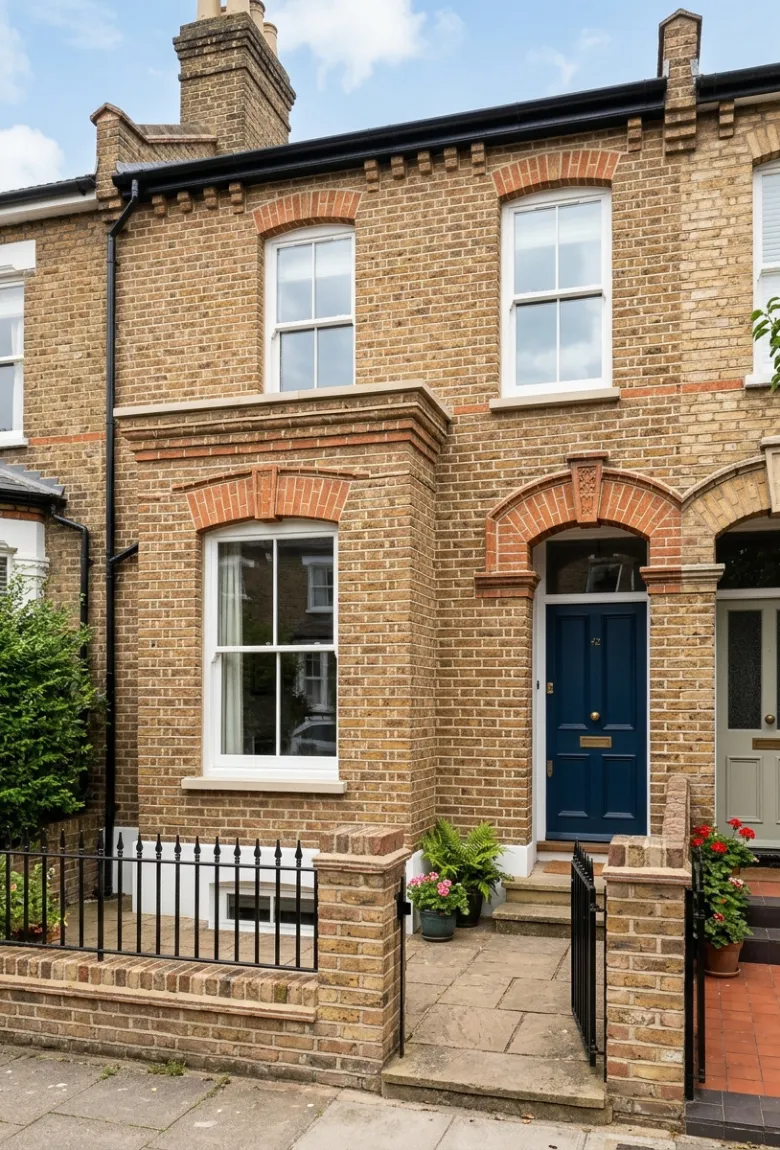
Mortar is meant to be the weakest part of a wall. It should be softer and more breathable than the brick, so that moisture and movement work through the joints rather than the bricks. Worn joints can be raked out and replaced. Damaged bricks are far harder to put right.
Problems start when joints are left to fail, or when they are repaired with the wrong mortar. Open joints let rain soak into the wall. Hard cement on soft period brick traps moisture in the brick itself, and over time the faces of the bricks can crack and flake away. Repointing with the right mortar protects the brick for years to come.
We look at the brick, the condition of the joints, any old repairs and the access, then send a clear quote.
Surfaces nearby are protected. The wall is cleared of dirt and growth, and the old mortar is raked out to a sound depth with suitable tools, taking care not to damage the brick edges.
Fresh mortar is mixed to suit the brick and pressed firmly into the joints. It is then finished to match the rest of the wall.
Excess mortar is cleaned off the brick faces and the site is cleared. The new joints are left to cure over the following days.
Raking out old mortar often shows the true condition of the bricks around it. If any are cracked or crumbling, we tell you and quote for the fix, so the wall is put right in one go.
Cracked, spalled or frost-damaged bricks are cut out and replaced with matching ones before the wall is repointed. Brickwork repair and restoration
New joints can make dirty brick look even darker. A gentle clean brings the whole wall back to one even colour. Brick cleaning
If part of the house is covered, the brick underneath usually needs repointing once the coating is off. Render removal and pebble dash removal.
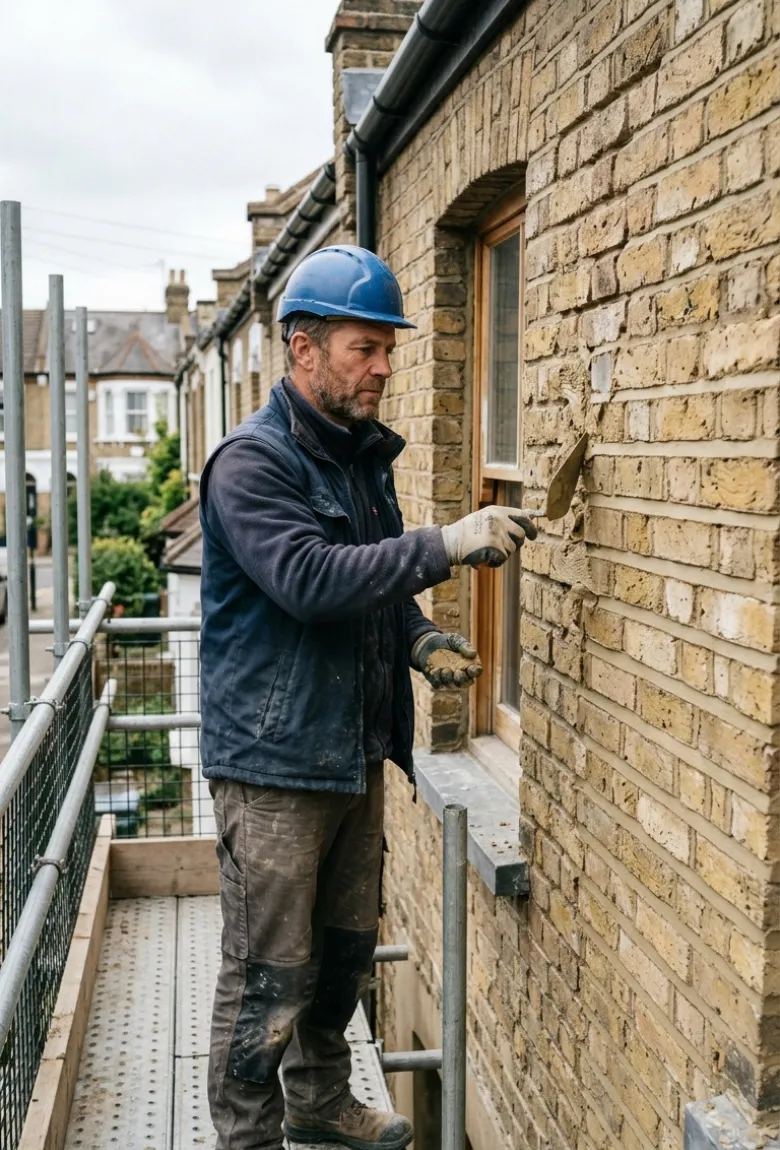
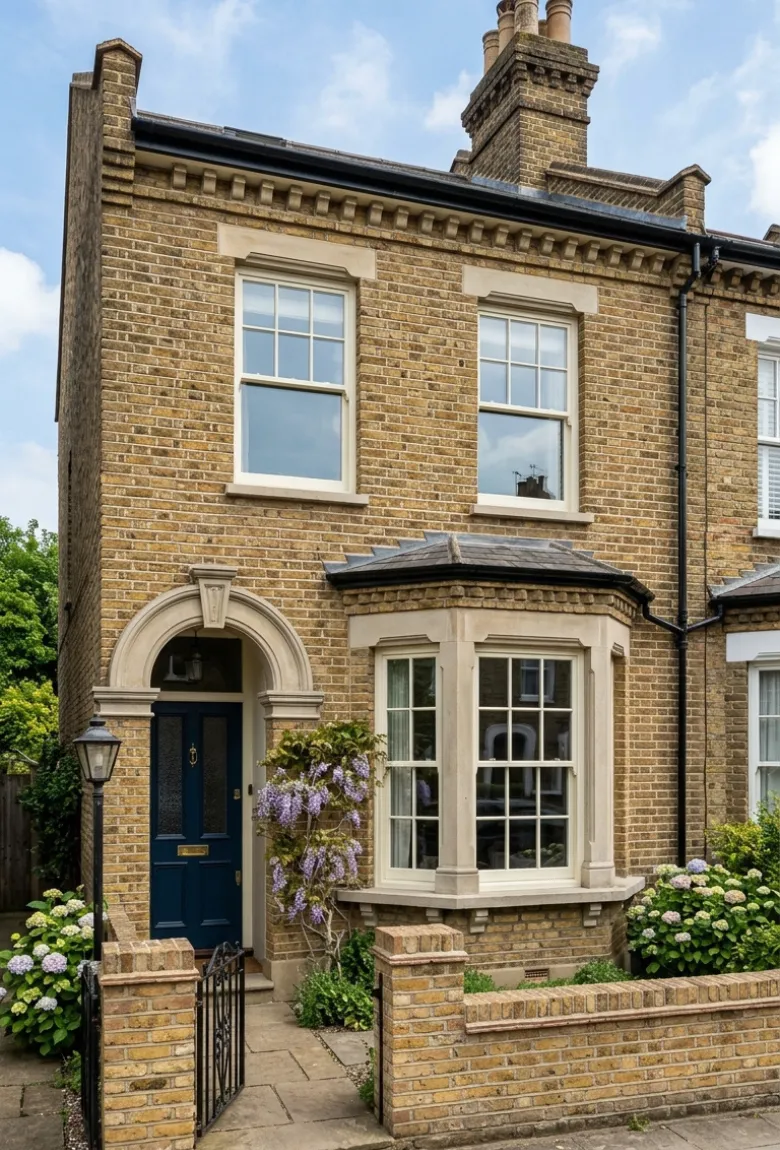
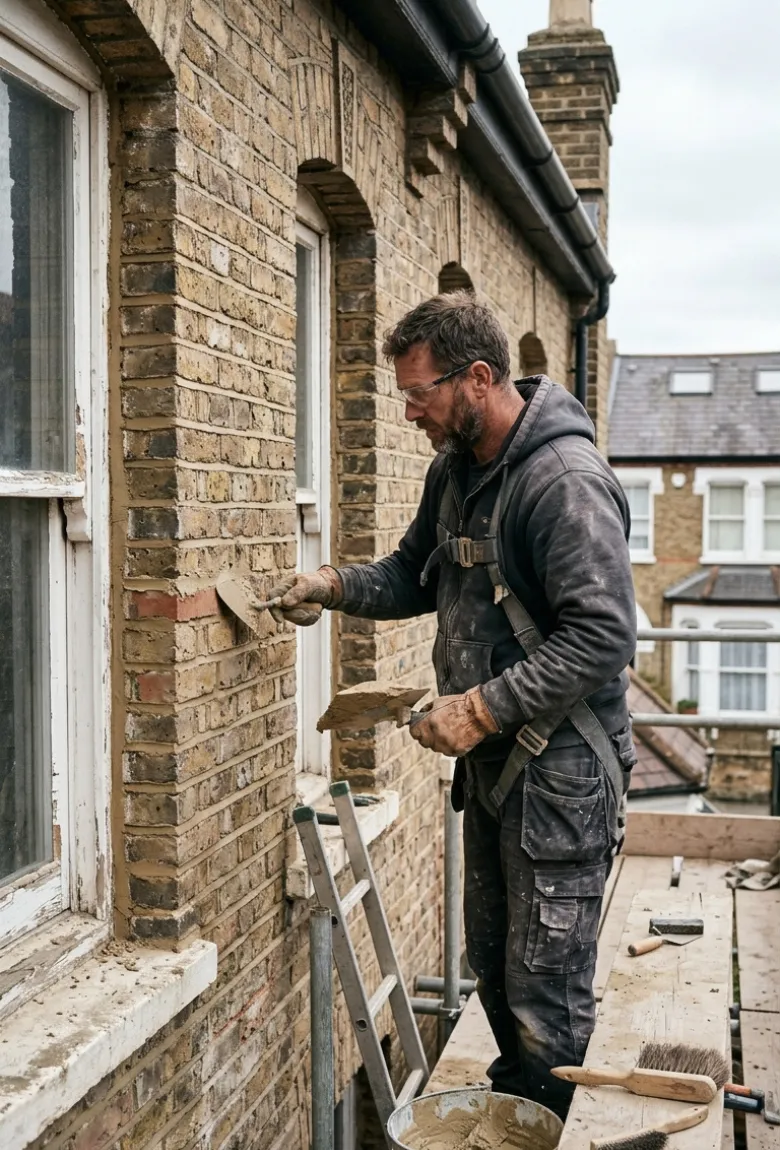
Each job is priced individually. The main factors are
Wall area
A chimney stack, a garden wall, a terraced front or a whole house.
Patch or full repoint
How much of the wall needs doing.
Type of mortar
Lime and cement-based mortars are mixed and applied differently.
Old repairs
Hard cement patches take longer to remove safely.
Access
Whether the job needs a tower or scaffolding.
Repairs found
Any brick replacement is quoted separately so you can decide.
Your quote sets out each part, so you know what you are paying for before we start.
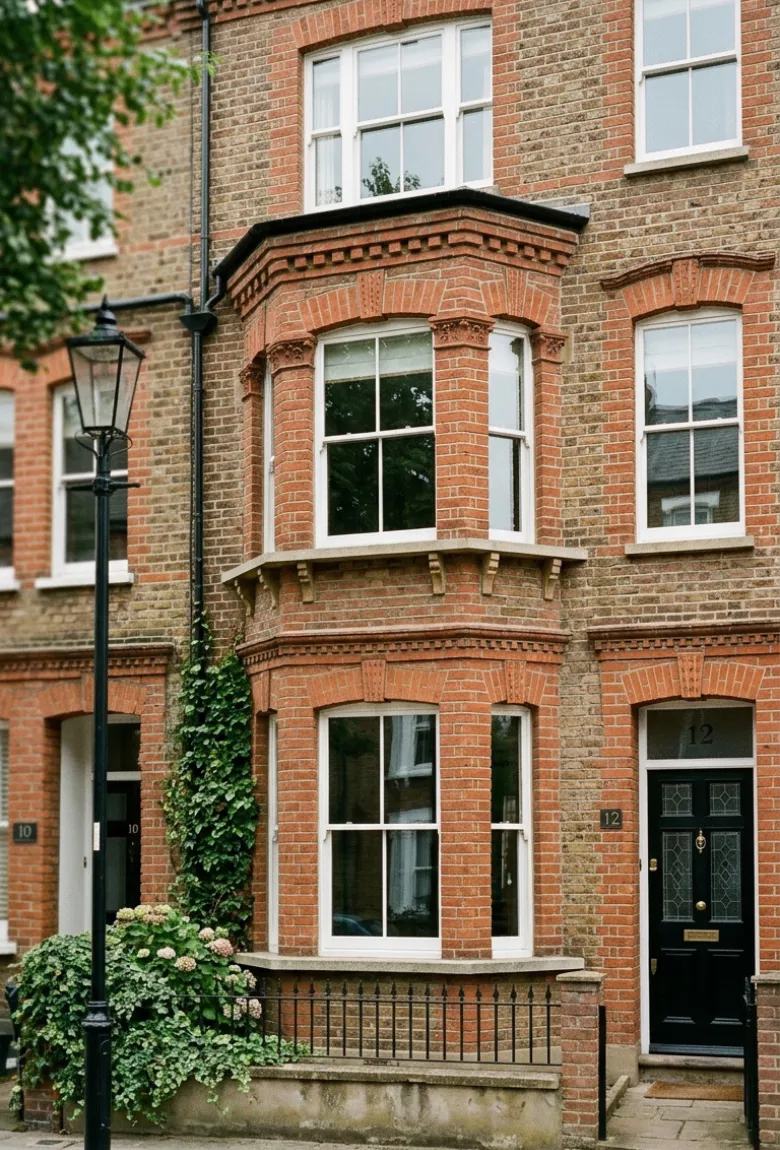
Take a look at walls, chimneys and house fronts we have repointed across South London.
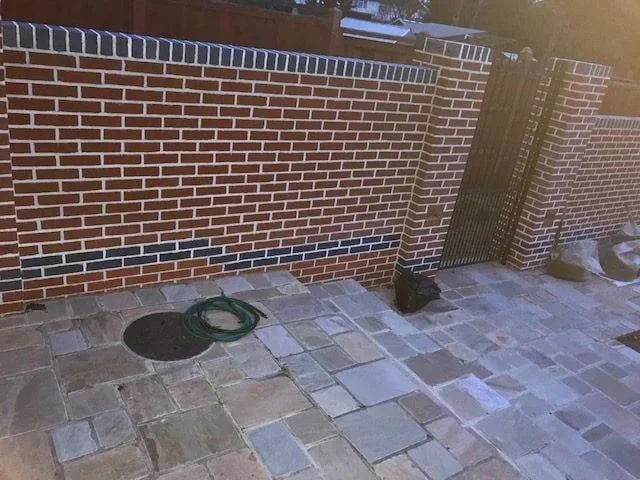
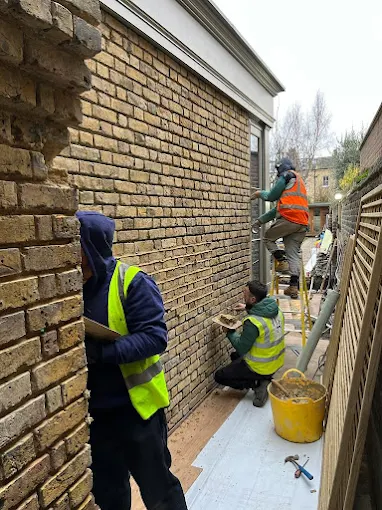
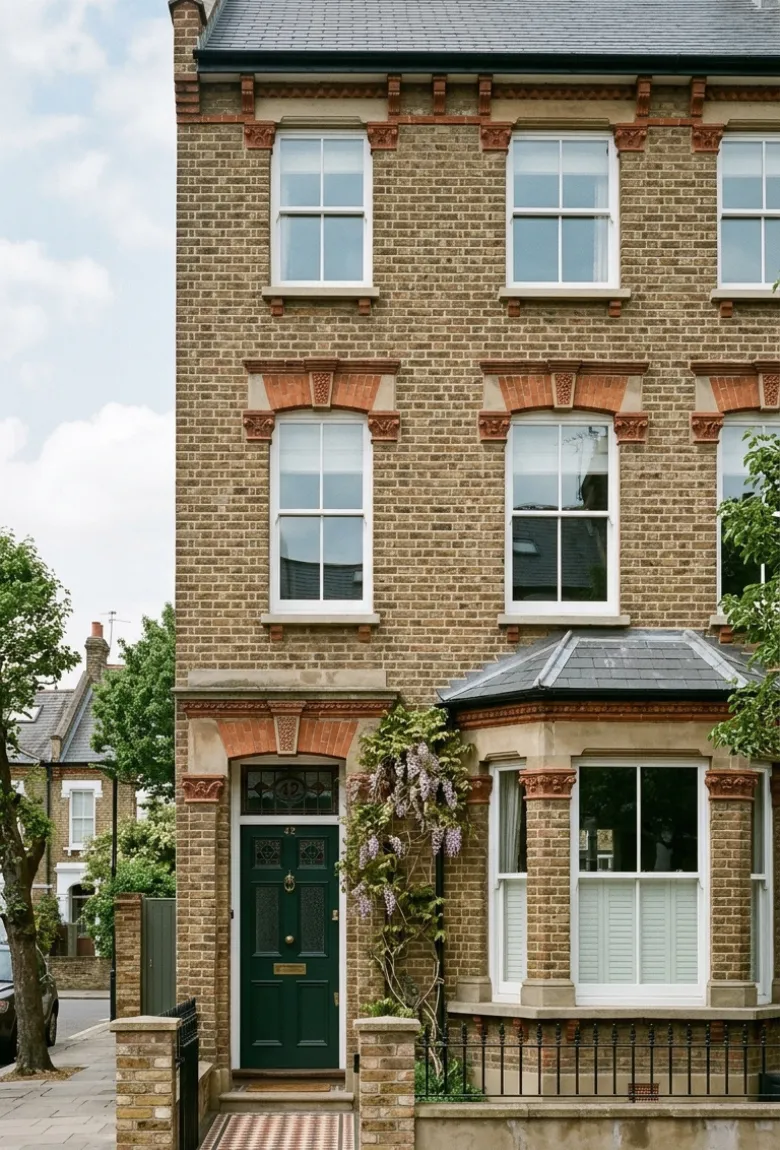
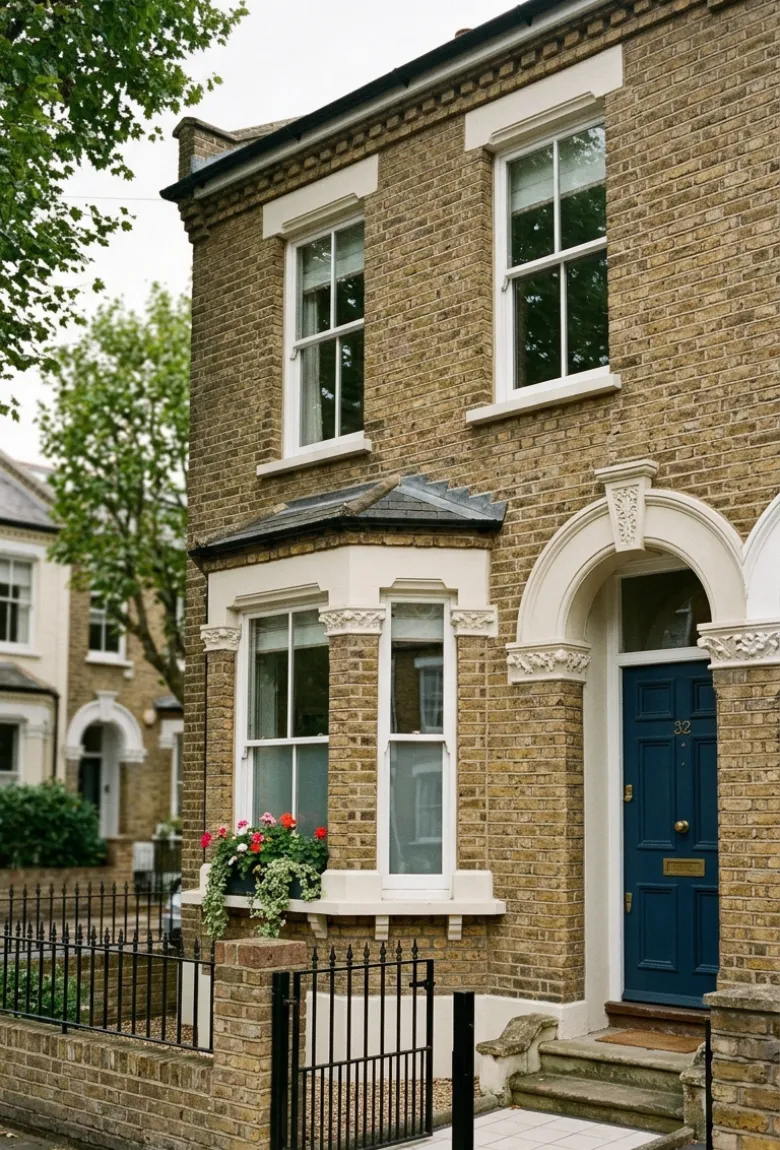
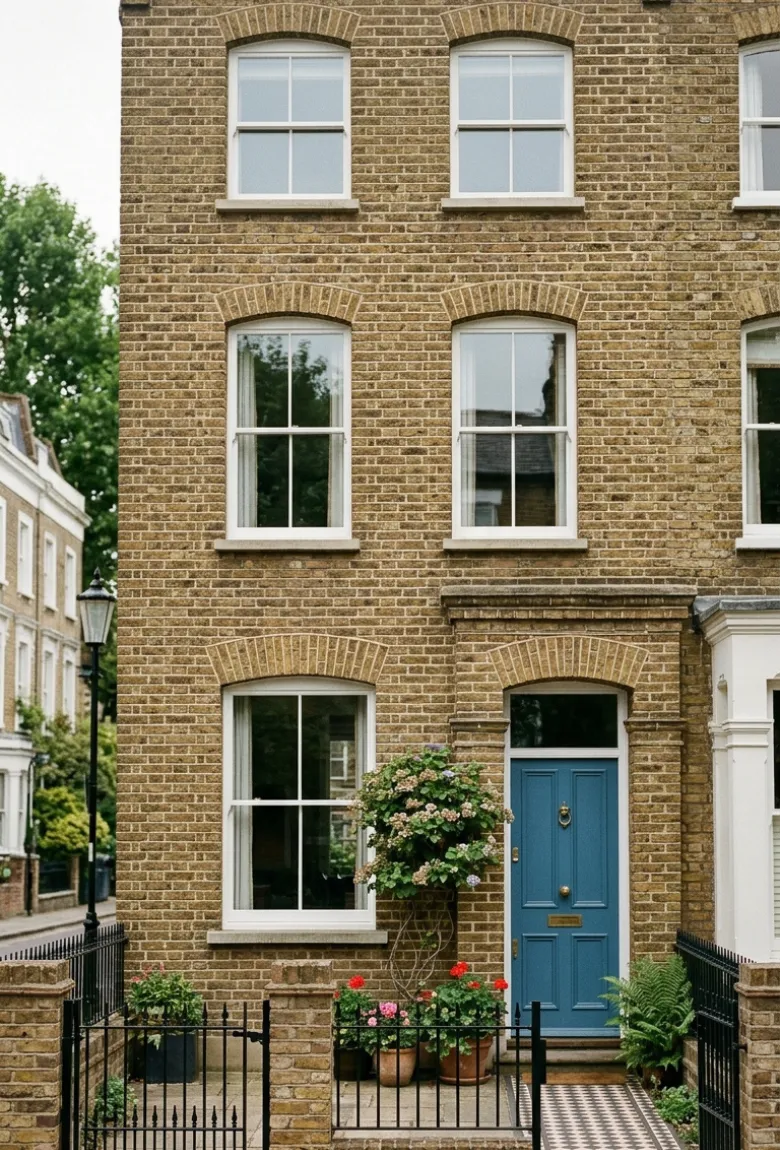
We work on the same types of houses every week, from Victorian terraces in Battersea to 1930s semis in Catford.
Lime for soft period brick, and a suitable mix for modern brick.
Joints are cleared without chipping the brick edges.
Windows, doors, paving and planting are covered, and the site is cleared when we finish.
Repointing, brick repairs and cleaning are planned together when they are needed.
07429 912 873
Send us a few photos of the joints and the wall, and tell us where you’ve noticed problems. We will recommend whether patch or full repointing makes sense, and send you a clear quote.
07429 912 873
Pointing is finishing the mortar joints on new brickwork. Repointing is raking out old, worn mortar and replacing it with fresh mortar. On existing houses, the work is almost always repointing.
It depends on the brick. Soft, older bricks, common on South London period houses, usually need lime mortar so moisture can escape through the joints. Harder modern bricks can take a stronger mix. We recommend the right one for your wall.
If the damp is caused by rain getting in through failing joints, repointing deals with the cause. Damp can also come from gutters, downpipes or rising ground levels, so we will tell you if we see another likely cause.
Yes, we match the colour and finish of the new joints to the rest of the wall as closely as we can, so the repair blends in.
Like-for-like repointing usually doesn't need permission. If your house is listed, check with your local council first, because listed building consent may be needed.