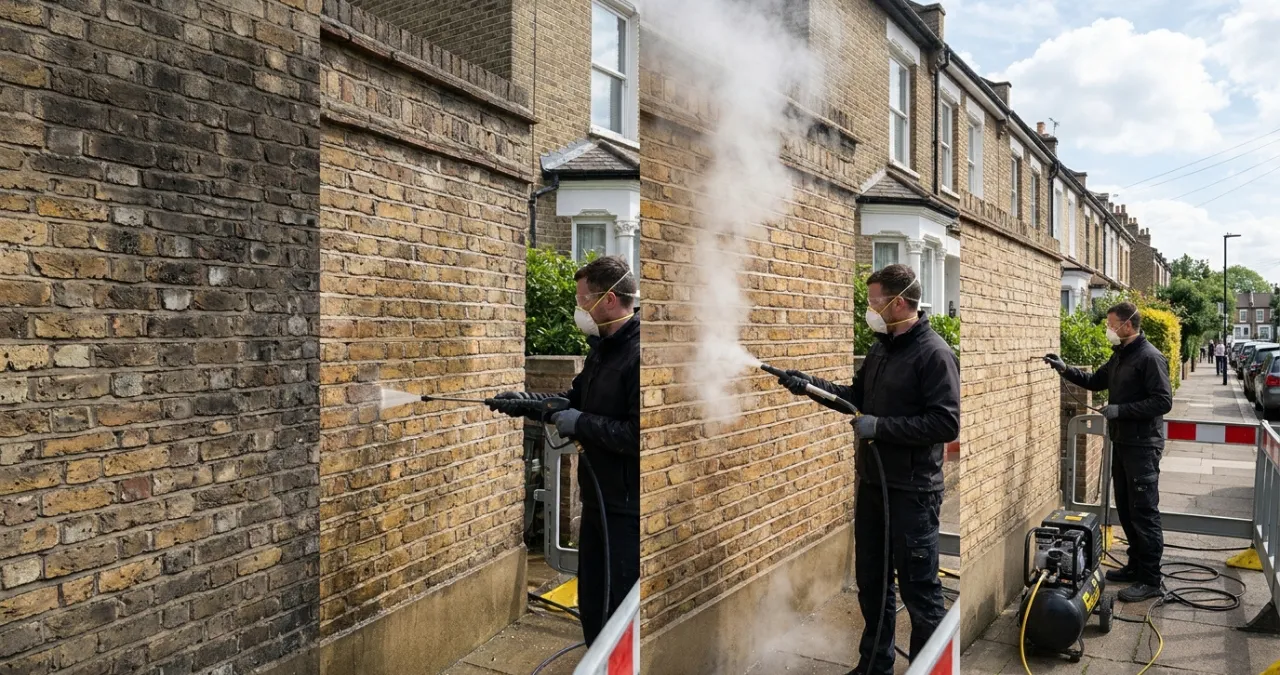
Steam, chemical cleaners, low-pressure vortex systems, jet washing, sandblasting. Contractors offer many ways to clean brick, and each one claims to be the best. The truth is that no single method suits every wall. This guide sets the main options side by side. It shows what each one does well, what it risks, and which stains it suits. Then you can judge any quote you get for your home in Streatham, Brixton, Clapham or Croydon.
Why the Method Matters More Than the Product
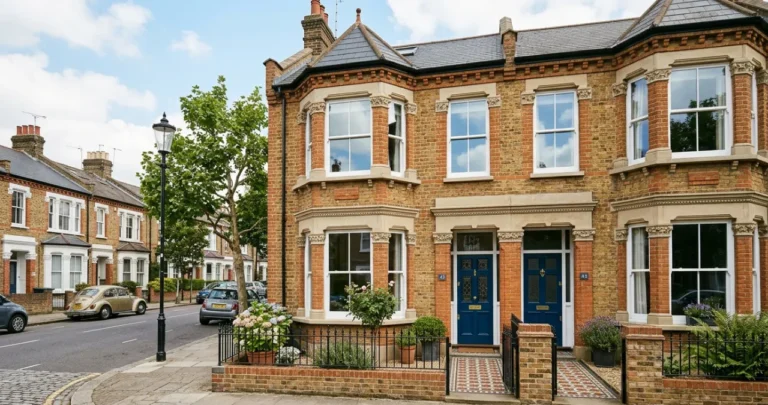
Most South London houses from the Victorian and Edwardian years use soft London stock brick and lime mortar. The brick has a hard fired face that keeps water out. The mortar is softer than the brick on purpose, so it takes the wear instead.
A method that is too harsh strips the face or scours out the joints. The wall then soaks up more rain and weathers faster. A method that is too weak leaves the stain behind and wastes your money. The right choice sits between the two. It is the mildest method that will shift the stain on your wall.
The Main Options at a Glance
| Method | How it works | Best for | Main risk | Suits period brick? |
|---|---|---|---|---|
| Superheated steam (such as DOFF) | Very hot water at low pressure | Algae, moss, grime, gum | Too much heat on fragile faces | Usually |
| Low-pressure vortex (such as TORC) | Swirl of air, water and fine granules | Carbon, limewash, stubborn grime | Abrasion if set too strong | With care |
| Specialist cleaning solutions | A cleaner matched to the stain, then rinsed | Heavy dirt, cement smears, rust, paint | Wrong product can bleach or etch | Yes, with the right product |
| Low-pressure washing | Warm or cold water at gentle pressure | Light dirt, rinsing cleaners off | Water forced into weak joints | Usually |
| High-pressure jet washing | Cold water at high pressure | Hard modern brick and paving | Strips brick faces and mortar | Rarely |
| Sandblasting and grit blasting | Grit fired at high speed | Very little on brick | Permanent loss of the brick face | No |
| Hand cleaning | Soft brushes and hand tools | Detail, sills, weak pointing | Slow on large walls | Yes |
Superheated Steam
Steam systems heat water to a very high temperature and deliver it at low pressure. The heat softens dirt and kills algae, moss and lichen, so growth takes longer to come back. Very little water goes into the wall, and nothing blasts the brick face.
Steam is weaker on thick paint, cement smears and rust. It often works best alongside a cleaner made for the stain. Read our full guide to DOFF steam cleaning for how it works on brick.
Low-Pressure Vortex Cleaning
Vortex systems such as TORC spin a mix of air, a little water and a fine granule against the wall. The swirl lifts carbon staining and old limewash that steam alone can leave behind.
It contains no chemicals, but it is still abrasive. On soft London stock brick, the operator must choose a fine granule and keep the pressure low. A trial patch matters more here than with any other method.
Specialist Cleaning Solutions
A cleaning solution matched to the brick and the stain can lift dirt that water and heat won’t touch. Different products target different problems, such as general grime, cement and mortar smears, rust, or paint. The cleaner sits on the wall for a set time, and then the operator rinses it off.
Strong acids are the risk here. Used on the wrong brick, they can etch the face, attack lime mortar and leave white or brown streaks. A careful contractor picks the mildest product that works and controls the run-off. For a closer look at gentle options, see our guide to eco-friendly masonry cleaning.
Pressure Washing: Low Pressure vs High Pressure
Not all pressure washing is the same. Low pressure with warm water is a safe way to lift light dirt and rinse cleaners away.
High-pressure jet washing is different. It can cut into soft brick, wash out old mortar and drive water deep into the wall. On a Victorian front, that damage is permanent. It suits hard modern brick, concrete and paving far better than period walls.
Sandblasting and Grit Blasting
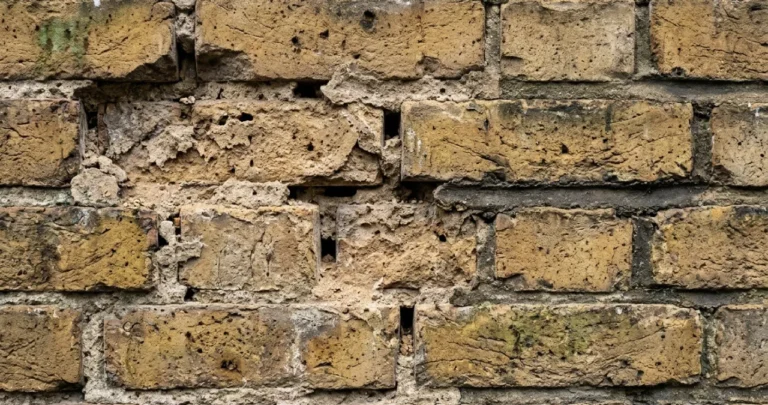
Blasting fires sand or grit at high speed. It removes dirt and paint quickly, but it removes the brick face with them. It leaves the bricks pitted and rough, and they take in more water from then on. Most conservation guidance warns against it for historic brickwork. There is rarely a good reason to use it on a house wall.
Hand Cleaning
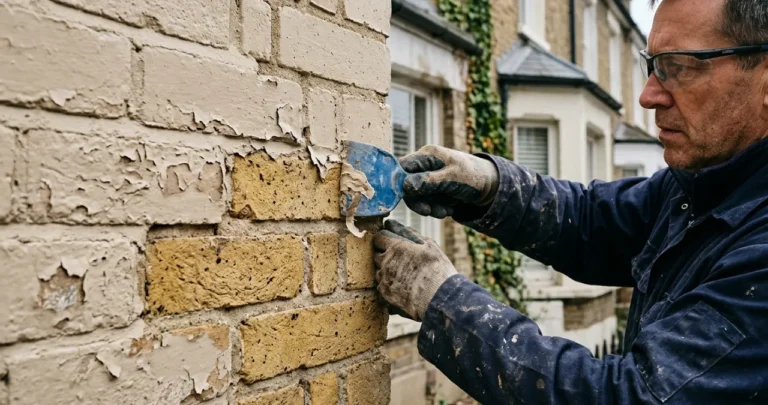
Soft brushes, scrapers and hand tools are the slowest option, but they are the most controlled. Contractors use them on carved stone, rubbed brick arches, sills and joints that are already weak. On most jobs, hand cleaning works alongside another method rather than on its own.
Matching the Method to the Stain
The stain usually decides the method. Here is how the common problems line up.
| Stain or problem | Usual approach |
|---|---|
| Green algae, moss and lichen | Steam, or a biocide then a rinse |
| Traffic grime and soot | Specialist cleaner or steam, vortex for heavy carbon |
| Cement and mortar smears | A cleaner made for cement, used with care |
| Paint and graffiti | A remover matched to the coating |
| Rust and iron staining | A cleaner made for rust |
| White salts (efflorescence) | Dry brushing, then fix the damp behind it |
| Old limewash | Low-pressure vortex or a suitable remover |
If paint is the problem, our paint removal service explains the process. For graffiti, see graffiti removal.
How to Judge a Contractor’s Method
A good contractor will explain their method before they start. Ask them:
- Which method will you use on my wall, and why?
- Will you test it on a small, hidden patch first?
- What pressure, temperature or product will you use?
- How will you protect windows, plants and the pavement?
- How will you collect the run-off?
- What happens if the cleaning shows up crumbling joints?
Be wary of anyone who offers sandblasting or a high-pressure jet wash for a period house. Also be wary of anyone who can’t say what product they will use.
How We Clean Brick in South London
At Brick Cleaning South London, we start with the gentlest method that will work. We apply a specialist cleaning solution suited to the brick and the stain. Then we rinse it off with warm water. We never sandblast or jet wash brick at high pressure. If the clean shows up open joints or damaged bricks, we tell you and quote for repointing or brick repairs.
Find out more about our brick cleaning service, or send us photos of your wall.