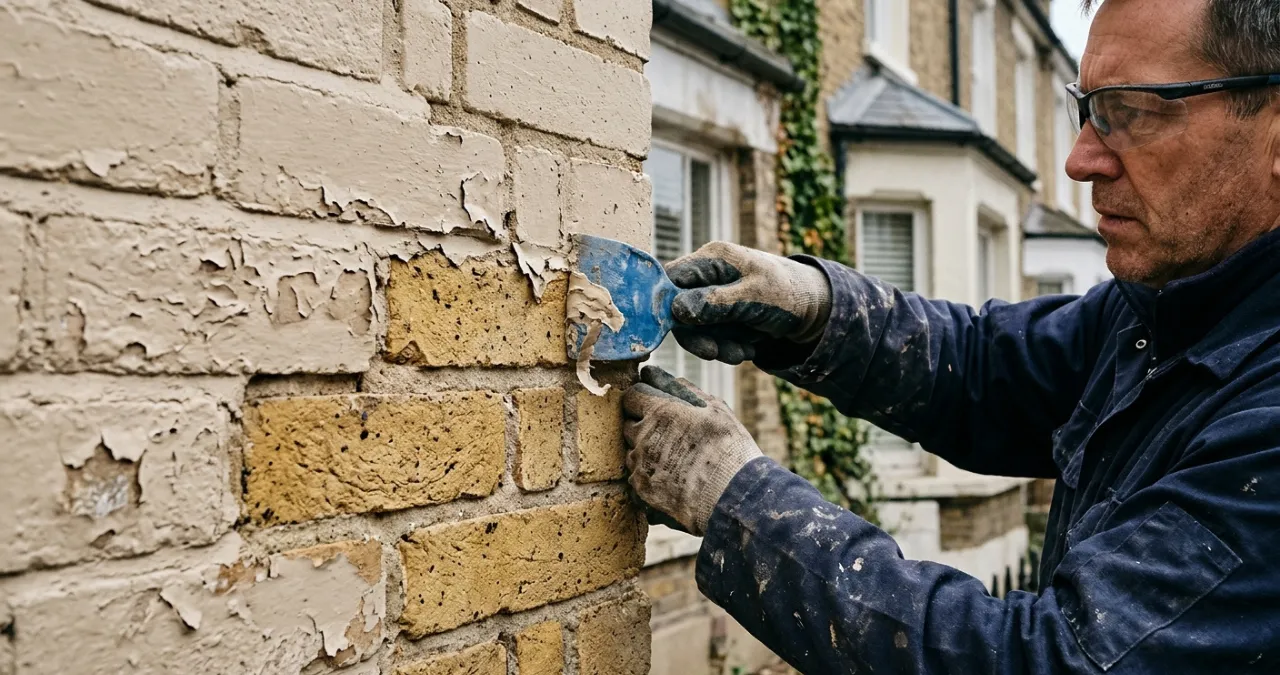
Painted brick can look tired once the paint starts to flake, and the paint can trap damp in the wall. Getting it off without harming the brick takes patience and the right method. Harsh methods such as sandblasting or high-pressure jet washing strip the brick face along with the paint. This guide gives you a safe, step-by-step method for small areas. It also covers the safety checks to make first, and the signs that a job is better left to a professional.
Before You Start: Safety Checks
Check for lead paint
Paint applied before the 1960s often contains lead, and many South London houses have layers that old. Lead dust and fumes are harmful, especially to children and pregnant women. Use a lead test kit from a DIY shop on a small area before you start. If the result is positive, don’t dry-scrape, sand or burn the paint. Use a wet method or call a professional.
Wear the right protection
Paint strippers can burn skin and eyes. Wear chemical-resistant gloves, goggles and old clothes with long sleeves. On older paint, wear a suitable dust mask too. Indoors, open windows and keep the room well ventilated.
Check the brick and the weather
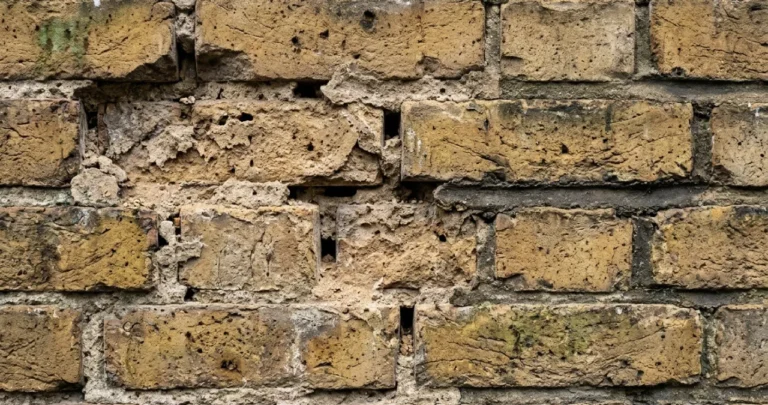
Old, soft or crumbling brick needs a gentler approach, because aggressive removal can cause more harm. Choose a dry, mild day, as most strippers work poorly in cold or wet weather. Avoid frost, because wet brick can be damaged if it freezes.
What You Will Need
- A paint stripper made for masonry, ideally a gel or paste type
- A plastic scraper or putty knife
- A stiff nylon or natural-bristle brush (not a wire brush)
- A garden hose, or a pressure washer on its lowest setting
- Chemical-resistant gloves, goggles and a dust mask
- Dust sheets or plastic sheeting to protect paths, plants and sills
- Buckets and absorbent material to collect the residue
Step-by-Step: Stripping the Paint
1. Test a small area first
Pick a small, out-of-sight patch. Apply the stripper there first and follow the steps below. This shows how well it works, how long it needs, and whether it marks the brick.
2. Protect the surroundings
Cover paths, plants, windows and sills. Some strippers damage plastics, paintwork and planting, and the residue is hard to clean off paving.
3. Apply the stripper
Spread a thick, even layer over the paint with a brush or trowel, as the maker directs. Work into the joints as well as the brick faces. Some paste strippers come with a sheet that goes over the top to keep the stripper moist.
4. Leave it to work
Give the stripper the time the maker recommends. This can range from under an hour to a day or more, depending on the product and the number of paint layers. Don’t let it dry out, because dry stripper stops working.
5. Scrape off the softened paint
Once the paint has softened, lift it off with a plastic scraper. Work gently, and don’t gouge the brick or mortar. Collect the waste as you go rather than washing it into the ground.
6. Brush out stubborn areas
Use a stiff nylon brush on paint left in the joints and textured faces. Avoid wire brushes, because they scratch the brick face and open it up to the weather.
7. Rinse the wall
Rinse with a garden hose, or a pressure washer on its lowest setting held well back from the wall. High pressure can wash out mortar and damage soft brick. Some strippers need a neutraliser before rinsing, so check the instructions.
8. Repeat if needed
Thick or old paint often needs two or three rounds. Treat the remaining areas again rather than scrubbing harder.
9. Let the brick dry
Leave the wall to dry fully, which can take several days. Then judge the result. Faint traces of paint in the brick pores are normal, and a final light clean usually deals with them.
Disposing of Paint and Stripper Waste
Old paint and stripper residue shouldn’t go down drains or onto soil. Let the waste dry, bag it, and take it to your local council’s household waste site. Ask the council how it handles chemical waste. Treat waste from lead paint with extra care.
Painted Brick Fireplaces
The same method works on many indoor brick fireplaces, with a few changes. Choose a low-odour gel stripper, keep the room well ventilated, and protect floors and hearths well. Use a damp sponge instead of a hose to rinse. Fireplace brick is often soft, so test a hidden area first.
Mistakes That Damage Brick
- Sandblasting or grit blasting. It removes the paint, but it takes the brick face with it.
- High-pressure jet washing. It can cut into soft brick and wash out old mortar.
- Wire brushes and power tools. They scratch the surface and round off the brick edges.
- Strong acids. They can etch brick and attack lime mortar.
- Heat guns on brick. They can scorch the surface, and on lead paint they release toxic fumes.
When to Call a Professional
DIY works best on small areas, such as a garden wall, a plinth or a fireplace. Think about professional help if:
- the paint tested positive for lead
- the area is large, or it is above ground floor level
- there are many layers of paint, or a thick textured coating
- the brick is old, soft or already damaged
- you have tried a stripper and it isn’t working
Professional Paint Removal in South London
At Brick Cleaning South London, we strip paint using a specialist remover matched to the coating. We then clean the brick to remove any residue. If removing the paint shows up worn joints or damaged bricks, we tell you and quote for repointing or repairs.
Find out more about our paint removal service. If you manage a commercial or multi-unit building, see our guide to commercial paint removal.